Special Effects for Duran Duran
2000 · Live Performance · Augmented Reality · Real-time Graphics · Video Effects
Special Effects for Duran Duran
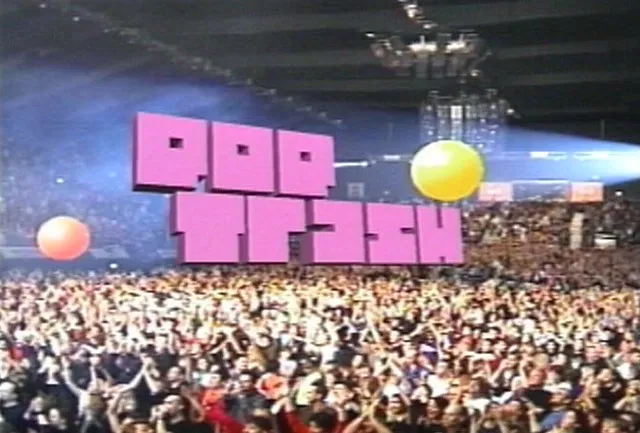
In 2000, I worked with Charmed Technology and Duran Duran on real-time visual effects for the Pop Trash tour. Under a short development timeline, Jarrell Pair, Jeff Chastine, Maribeth Gandy Coleman, and I built a set of mixed-reality and live-video effects designed for actual concert use rather than for a lab demo.
Overview
The system combined live stage video, 3D graphics, and pre-programmed event timing so that visual effects could be triggered in sync with the performance. This was early augmented-reality work in a live entertainment setting, and the technical challenge was not just making an effect look interesting in isolation, but making it dependable enough to run during a show.
The concert system was built around a Windows 2000 PC with live video capture, OpenGL-based graphics rendering, and software for compositing camera feeds with 3D content. Some effects placed virtual characters or animated elements into the stage environment, while others transformed the live video feed itself.
My Contributions
My work focused on real-time software for the visual-effects pipeline.
- Developed effects for live concert use under strict timing and reliability constraints
- Worked on integrating AR Toolkit-based scene logic with 3D content workflows
- Helped support the use of VRML-based models in the rendering pipeline
- Built custom video-processing effects for the live camera feed
- Contributed experimental tracking work for interactive audience-driven effects
Technical Details
One part of the project involved marker-based and pre-programmed placement of virtual content in stage space. During rehearsals, the team use AR Toolkit fiducials to record coordinates for where virtual characters and other elements should appear. Those placements could then be recalled during the show so animations would appear at the intended locations.
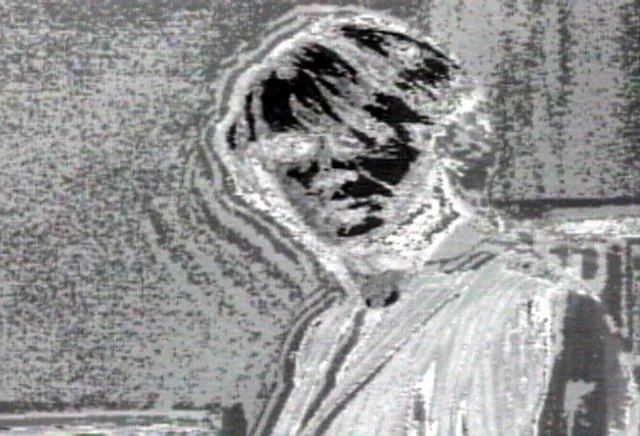
I also worked on custom video effects operating directly on the live feed. These included effects used for songs such as “Lava Lamp” and “White Lines,” as well as other distortion- and compositing-based treatments developed for specific moments in the performance.
The team also explored a blob-tracking prototype based on thresholding and centroid detection for tracking retro-reflective objects in the audience. That approach was not used in the final live setup, but it pointed toward more interactive mixed-reality performance ideas.
Research Context
The project was later described in “The Duran Duran Project: The Augmented Reality Toolkit in Live Performance,” presented at the 2002 IEEE AR Toolkit Workshop. That write-up places the work within an early wave of augmented-reality systems being adapted for live public performance rather than purely research or lab settings.